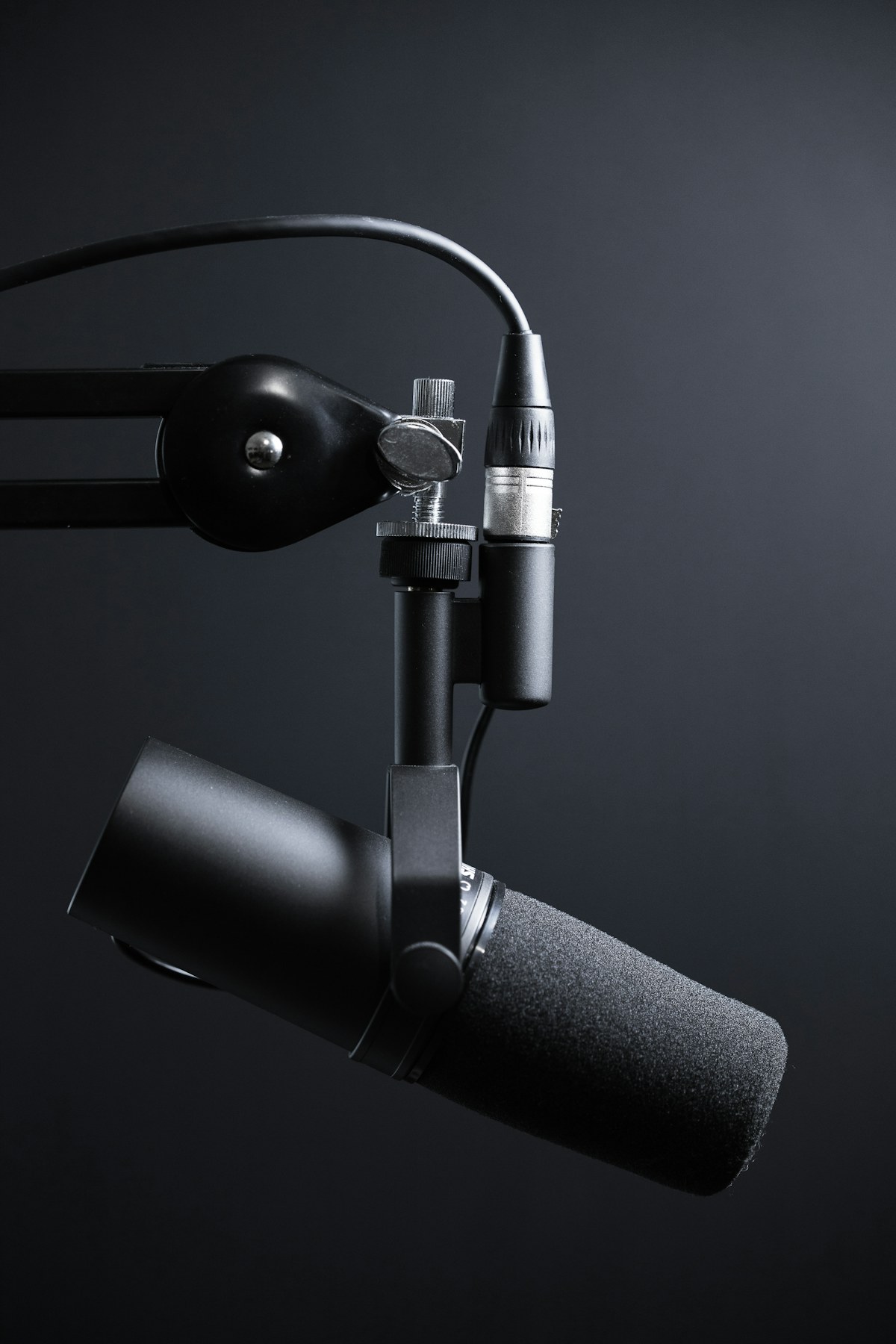
Quick verdict
In untreated apartment bedrooms with bare walls and fan noise, a dynamic USB microphone beats a sensitive condenser mic every time. Buy the Audio-Technica ATR2100x (~$79) for 85% of broadcast clarity on a student budget; step up to the Shure MV7+ (~$279) if you record client demos, podcasts, or tutorials weekly and want built-in DSP noise reduction.
Strengths of this guide
- Explains why popular condenser mics like the Blue Yeti actually sound worse in untreated dorms and apartments
- gives realistic budget tiers.
Limitations and scope
- Dynamic mics require speaking 5 to 12 cm from the capsule
- pair with a low-profile boom arm or desktop stand for best results.
Why clear audio builds client trust faster than a 4K webcam
Clients forgive an average laptop webcam in five seconds. What makes people tune out—or silently question your professionalism on a discovery call—is hollow bedroom echo, keyboard clatter, or an air conditioner humming behind every sentence.
Before buying a microphone, the single most important rule for normal apartments is simple: choose a dynamic microphone over a condenser microphone. Condenser mics pick up every footstep in the hallway and every bounce off bare drywall; dynamic mics focus tightly on the voice right in front of the grille.

Shure MV7+ vs Audio-Technica ATR2100x: practical comparison
| Specification | Audio-Technica ATR2100x-USB | Shure MV7+ |
|---|---|---|
| Typical price | ~$79 (outstanding entry value) | ~$279 (prosumer broadcast tier) |
| Capsule type | Cardioid dynamic (strong room-noise rejection) | Cardioid dynamic with real-time DSP denoising & auto-level |
| Connectivity | USB-C + XLR (future-proof) | USB-C + XLR (future-proof) |
| Built-in software processing | None (rely on Zoom/macOS Voice Isolation) | MOTIV Mix DSP (auto-level, digital popper stopper, denoiser) |
| Best fit | Students and freelancers wanting a clean jump over laptop mics | Consultants and creators recording demos, courses, or podcasts weekly |
The budget win: Audio-Technica ATR2100x
At under $80, the ATR2100x delivers a massive leap over AirPods or built-in laptop mics. Plug it in via USB-C, mount it on a $25 low-profile boom arm so it stays out of your typing area, and your voice immediately sounds warm and direct on Zoom and Tella.
When the Shure MV7+ pays for itself
If client demos, recorded sales proposals, or YouTube/course audio are central to your work, the Shure MV7+ saves post-production time. Its built-in real-time denoiser and auto-leveling keep your volume consistent even if you lean back slightly while thinking.
Frequently asked questions
Why not just use AirPods for client calls?
Bluetooth earbuds switch to low-bandwidth hands-free audio mode whenever the microphone activates, making voices sound compressed and tinny compared to a wired USB-C dynamic mic.
Do I need an audio interface for the ATR2100x or Shure MV7+?
No. Both plug directly into your MacBook or Windows laptop via USB-C—and both include an XLR port in case you ever add a dedicated interface later.
How close should I sit to a dynamic microphone?
Keep the microphone roughly a fist's width (8 to 12 cm) from your mouth, angled slightly off-axis to reduce harsh "p" and "b" plosive pops.